Should You Rest It or See a Physical Therapist? How to Tell When Nagging Pain Needs Help
Almost everyone has said it at some point: “I’ll just rest it and see if it gets better.” Sometimes that works. A tweaked back after a long yard day or sore shoulders after your first week back in the gym often settle down on their own. But rest is a strategy, not a cure — and knowing the difference between pain that needs time and pain that needs a plan can be the difference between a two-week nuisance and a six-month problem.
Here in Northwest Arkansas, we see people every week who waited months hoping an injury would resolve itself, only to find it got more stubborn the longer they left it alone. The good news: your body gives you clear signals. You just have to know how to read them.
When rest is actually the right call
Rest genuinely helps in the early days of a minor, uncomplicated injury. If you rolled your ankle, overdid a workout, or woke up with a stiff neck, a few days of reduced activity, gentle movement, and normal daily use is often enough. The key markers of a “just rest it” injury are simple: the pain is improving day by day, it isn’t changing how you walk or move, and it doesn’t stop you from doing the things you need to do.
The mistake isn’t resting — it’s resting indefinitely. Complete inactivity for weeks actually slows recovery for most musculoskeletal injuries. Tissues heal better with the right amount of controlled load, not total shutdown. That’s a big part of what physical therapy provides: the right dose of movement at the right time.
Three signs your pain needs a professional, not another week off
It’s been more than two to three weeks with no real improvement. This is the biggest one. Most simple strains and sprains show steady progress within a couple of weeks. If you’re at three weeks and the pain is the same — or worse — that’s a signal something structural is going on that rest alone won’t fix.
It’s changing how you move. If you’re limping, favoring one side, avoiding lifting with a certain arm, or shifting your posture to dodge the pain, your body is compensating. Those compensations create new problems up and down the chain — a sore knee becomes a sore hip, a guarded shoulder becomes a stiff neck. The longer the pattern runs, the more there is to unwind.
It flares with the activities you care about most. When pain reliably shows up during your run, your lifts, your golf swing, or even just playing with your grandkids, it’s telling you the tissue can’t yet handle the demand you’re putting on it. A physical therapist can find the specific weak link and rebuild capacity so you get back to those activities instead of avoiding them.
Why “wait and see” often costs more in the end
There’s a common belief that seeing a physical therapist is the expensive, dramatic option — and toughing it out is the frugal one. Usually it’s the reverse. Early assessment tends to mean fewer visits, faster recovery, and a lower chance of the injury becoming chronic. Pain that’s addressed at three weeks is almost always simpler to resolve than the same pain at three months, after your body has layered compensation patterns on top of the original problem.
Early PT can also catch the things that genuinely need a referral. Part of a Doctor of Physical Therapy’s job is knowing when pain is a straightforward tissue issue and when it’s a sign of something that needs imaging or a physician. Getting eyes on it early protects you either way.
What an evaluation actually looks like
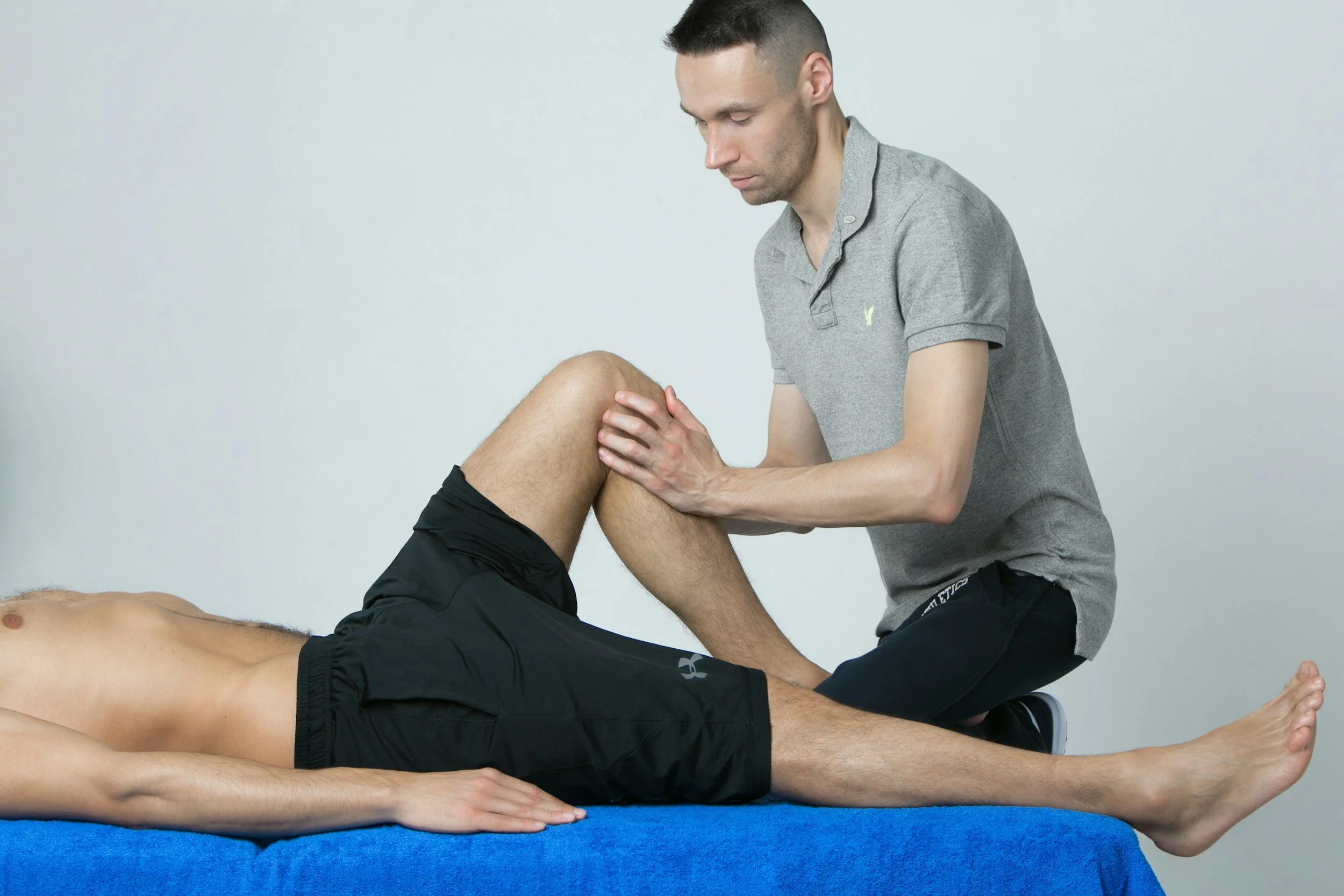
If you’ve never been to PT, the first visit is less intimidating than you might expect. It’s a conversation and a movement assessment — we talk through your history and goals, watch how you move, test strength and range of motion, and identify where the breakdown is happening. From there you leave with a clear explanation of what’s going on and a plan to fix it. No guesswork, no generic protocol.
At Spear Athletics, every session is one-on-one with a Doctor of Physical Therapy — and if getting to the clinic is hard, our mobile service brings that same care to your home, office, or gym anywhere in Northwest Arkansas.
The bottom line
Rest has its place, but it has an expiration date. If your pain has hung around past a few weeks, changed how you move, or started interfering with the things you love, that’s your signal to stop waiting and get it looked at. Pain is information — and the sooner you read it correctly, the sooner you’re back to moving like yourself again.
Have a nagging injury that isn’t improving? Spear Athletics Physical Therapy serves Farmington and all of Northwest Arkansas, in-clinic and mobile.
